
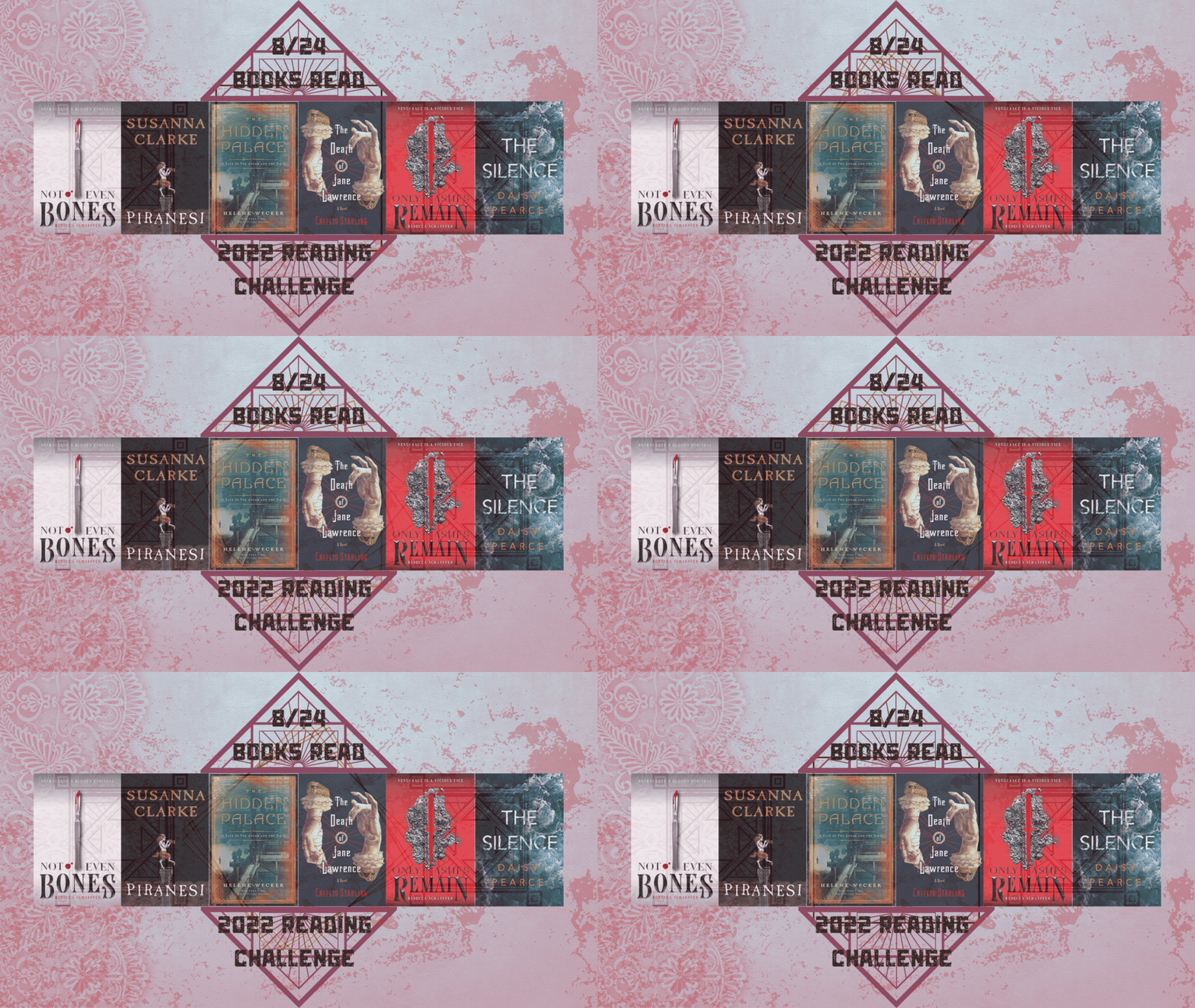
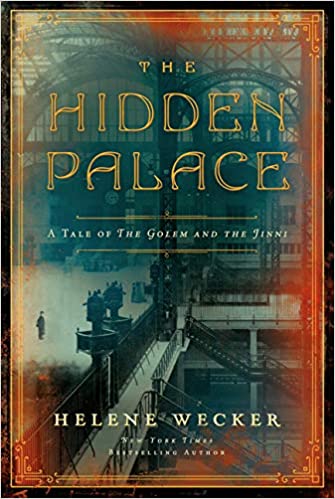
I massively exceeded expectations by reading half a dozen books in February, but to be honest some of these books I started earlier. Both the Hidden Palace and The Death of Jane Lawrence I started & got about halfway through in January before I had to return them to the library & I had to wait a month for them to come off hold again. But considering my ADHD, finishing a book is a greater achievement than starting one.
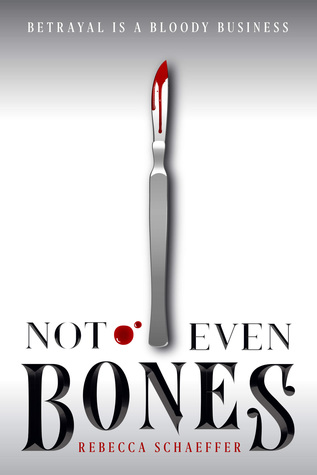
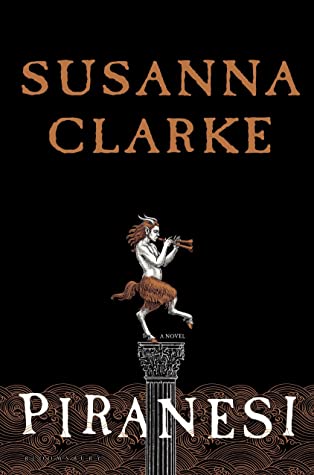
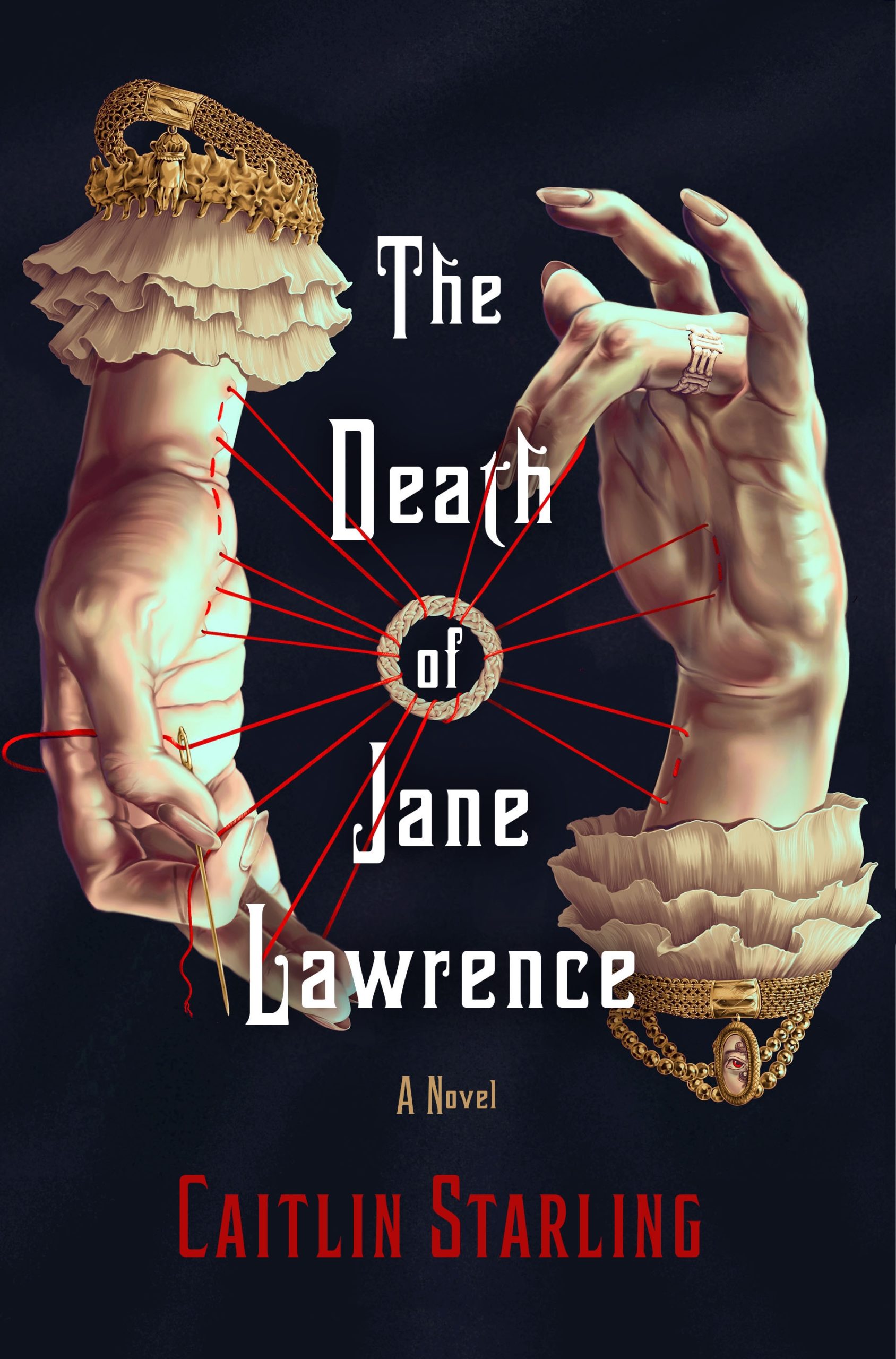
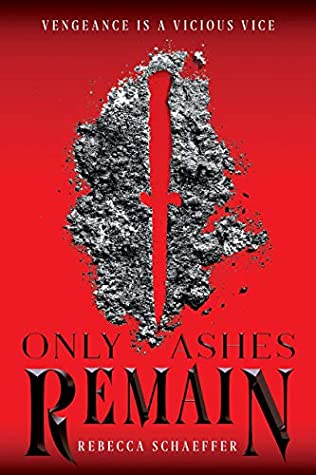
I’ve included two reviews from this month and might review the others when I have time later on.
Market of Monsters: Not Even Bones & Only Ashes Remain
My friend recommended Not Even Bones to me in January, and I quickly consumed the first book and immediately moved onto the second. I’m just biding my time to get my hands on the third book in the series, because I am that ravenous for it.
The book is refreshingly diverse & violent. Not Even Bones is set in South America, and the only white character on the page eats an eyeball and that’s the nicest thing I can say about the guy. Only Ashes Remain is set in Toronto, so adjust accordingly.
And that violence! It’s surprisingly gory without being so offputting. Nita’s favorite unwinding activity is dissecting people, well, corpses. When her mom brings home a live specimen, Nita’s objection is rewarded with… well, betrayal. It says it there on the blurb. And that kicks off the whole book series.
The books are set on Earth but not quite so, where “unnaturals” monikered after mythological monsters walk amongst humans, with varying levels of acceptance, and, well dehumanization. Parts of these unnaturals have medicinal or druggy qualities to them–hence the dissecting, on the blackmarket it fetches quite the money. Nita is an unnatural with rapid healing power (that’s played straight and has some smart story implications), so while she’s safe from being hunted but not from being poached.
There are other unnaturals, like zannies* (a type of unnatural that gains nourishment off other’s pain), ghouls (have to eat human flesh), unicorns (consume soul of virgins), and selkies (drowns victims and eats their rotten corpses), etc.–all belong to a class of unnaturals that have to harm if not kill to sustain themselves. Other than the selkies, they are part of a “kill on sight” policy internationally.
Nita pairs up with a zannie, Kovit, who’s present so far in both books (and as acting a sidekick/partner, also a romantic interest), and there’s a parallel to be drawn with Kovit-as-a-monster-by-nature and Nita-as-a-monster-by-choice. Nita spends an inordinate amount of time wrestling with her decisions and actions, even if that decision is to pretend it doesn’t exist so it isn’t her problem (like, never questioning where her mom got all those corpses to cut up.)
There are some obvious flaws. So much of the books take place in one location. The try-fail cycles are painfully evident on the page. Nita sometimes goes in circles, especially about replacing the monster that is her mother with a real-life monster (Kovit)–oh yeah, somehow I also neglected to point out the whole mom does the whole isolating & undermining thing, and abuses/neglects Nita into submission. There’s just so much packed into these pages, and the quality of the prose brings it together & forgives any criticisms I could have.
* Kovit says zannie is more a slur and he doesn’t like its use… and that’s all we hear about it. Using his preferred term, krasue, isn’t really done in the books, so I continue to say zannie.
Piranesi
This book is sublime, and the beautifully written prose is as sterile as the marble that makes up the House. The dialogue and the descriptions are bare bones, but establishes an immediate atmosphere of grey stone, grey skies, of grey waters.
A man lives in a House, more a never-ending palace of stone with each room filled with statues. He catalogues things. He keeps them in journals, he indexes them, he forgets what he’s put into them.
He forgets who he is. Who the Other is. Why he’s there, how’s he gotten there. And piece by piece he pulls it together, sometimes frustratingly obvious. He doesn’t question things, but we’re told the House sort of… drives people to forget things. It feels like a cheap writing trick, but sometimes “why didn’t the character do this?” can only be answered “because he didn’t.” Humans are like that.
The character’s transformations and discoveries feels a lot like a discussion about moving on from trauma. Altogether it comes across less a story and more an experience, and one I’m glad I read.